Trusted Care for Your Child Starts Here!

-
Name :
Dr. Neha Agrawal
-
Specialization :
Pediatrician & Neonatologist
-
Experience :
12+ Years in Child Healthcare
-
Location :
Noida / Ghaziabad
Essential Newborn Care Tips Every Parent Should Know in the First 30 Days
Bringing a newborn home is one of life’s most beautiful yet overwhelming experiences. The first 30 days, often called the “fourth trimester,” are a period of rapid adjustment—for both the baby and the parents. During this time, your baby is adapting to the outside world, while you are learning to interpret their needs. With guidance from experienced pediatricians and neonatologists like Dr. Neha Agrawal, you can approach this phase with clarity and confidence.
1. Prioritize Feeding and Nutrition
Feeding is the cornerstone of newborn care. Whether you choose breastfeeding or formula feeding, consistency and responsiveness are key.
Breast milk is considered the best source of nutrition, as it provides essential antibodies that protect against infections. Newborns typically feed every 2–3 hours. Look for hunger cues such as lip-smacking, rooting, or sucking on hands rather than waiting for crying, which is a late sign.
If breastfeeding challenges arise, early consultation with a pediatric expert can make a significant difference. Proper latching and positioning ensure both comfort and adequate nutrition.
2. Understand Sleep Patterns
Newborns sleep 14–17 hours a day, but not in long stretches. Their sleep cycles are short, and frequent waking is normal.
To promote safe sleep:
- Always place your baby on their back
- Use a firm mattress without pillows or loose bedding
- Avoid overheating
Establishing a gentle routine early on helps regulate sleep patterns over time, even though strict schedules are not expected in the first month.
3. Maintain Hygiene and Cord Care
Newborn hygiene requires a delicate balance—keeping the baby clean while protecting their sensitive skin.
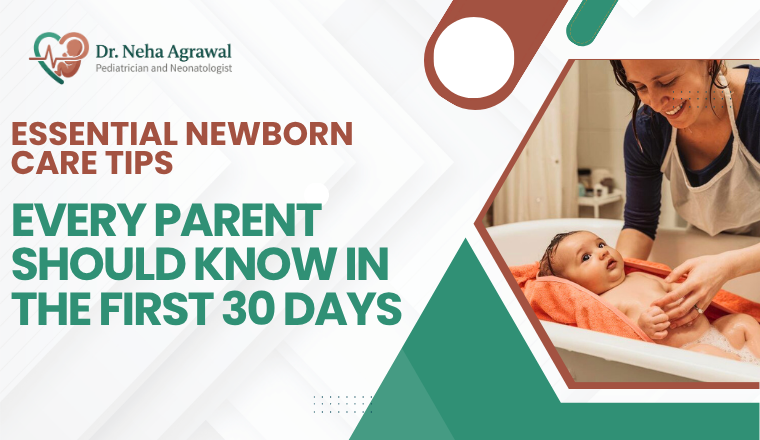
Sponge baths are recommended until the umbilical cord stump falls off, usually within 1–2 weeks. Keep the cord area dry and clean. Avoid applying any powders or home remedies unless advised by a doctor.
Diaper hygiene is equally important. Change diapers frequently to prevent rashes. Use mild, fragrance-free wipes or cotton with warm water for cleaning.
4. Monitor Jaundice and Skin Changes
Mild jaundice is common in newborns and usually appears as a yellowish tint on the skin and eyes. While it often resolves naturally, monitoring is essential.
If jaundice seems to increase or the baby appears lethargic or feeds poorly, medical evaluation is necessary. Early detection ensures timely treatment and prevents complications.
Additionally, newborn skin may show peeling, rashes, or tiny white spots—all typically harmless. However, persistent or unusual changes should be assessed by a pediatrician.
5. Focus on Immunity and Infection Prevention
A newborn’s immune system is still developing, making them more vulnerable to infections.
Simple precautions can make a big difference:
- Wash hands before handling the baby
- Limit exposure to crowded places
- Avoid contact with sick individuals
Vaccinations begin early and are crucial for protecting your baby from serious diseases. Following the recommended immunization schedule is essential for long-term health.
6. Recognize Warning Signs Early
New parents often worry about distinguishing between normal behavior and signs of concern. Being aware of red flags can help you act promptly.
Seek medical attention if your baby:
- Has difficulty breathing
- Refuses feeds consistently
- Develops a fever
- Shows excessive sleepiness or irritability
- Has fewer wet diapers than expected
Timely intervention by a trained neonatologist can prevent complications and ensure your baby’s well-being.
7. Build Emotional Bonding
The first month is not just about physical care—it’s also about emotional connection.
Skin-to-skin contact, gentle talking, and eye contact help strengthen the bond between parent and baby. These interactions also support brain development and emotional security.
Responding to your baby’s cries with sensitivity builds trust and helps them feel safe in their new environment.
8. Support Maternal Health
Caring for a newborn also means caring for the mother. Physical recovery, emotional changes, and sleep deprivation can be challenging.
Adequate nutrition, rest, and emotional support are vital. Postpartum check-ups should not be neglected, and any signs of anxiety or depression should be addressed early.
A healthy mother is key to a healthy baby.
9. Avoid Overstimulation
While it’s natural to want to engage constantly with your newborn, too much stimulation can be overwhelming.
Limit loud noises, bright lights, and excessive handling, especially in the first few weeks. Allow your baby to adapt gradually to their surroundings.
10. Trust Expert Guidance Over Myths
In today’s digital age, parents are exposed to countless opinions and traditional practices. While some may be helpful, others can be misleading or even harmful.
Relying on evidence-based guidance from experienced professionals like Dr. Neha Agrawal ensures your baby receives the best possible care. Modern pediatrics combines clinical expertise with the latest research to provide safe and effective solutions.